History & Heritage
A Century Beneath the Mountain
The story of the Lava Cap Gold Mine is the story of California itself — ambition, labor, and the relentless pursuit of something precious buried deep in the earth.
The Mine That Shaped a Region
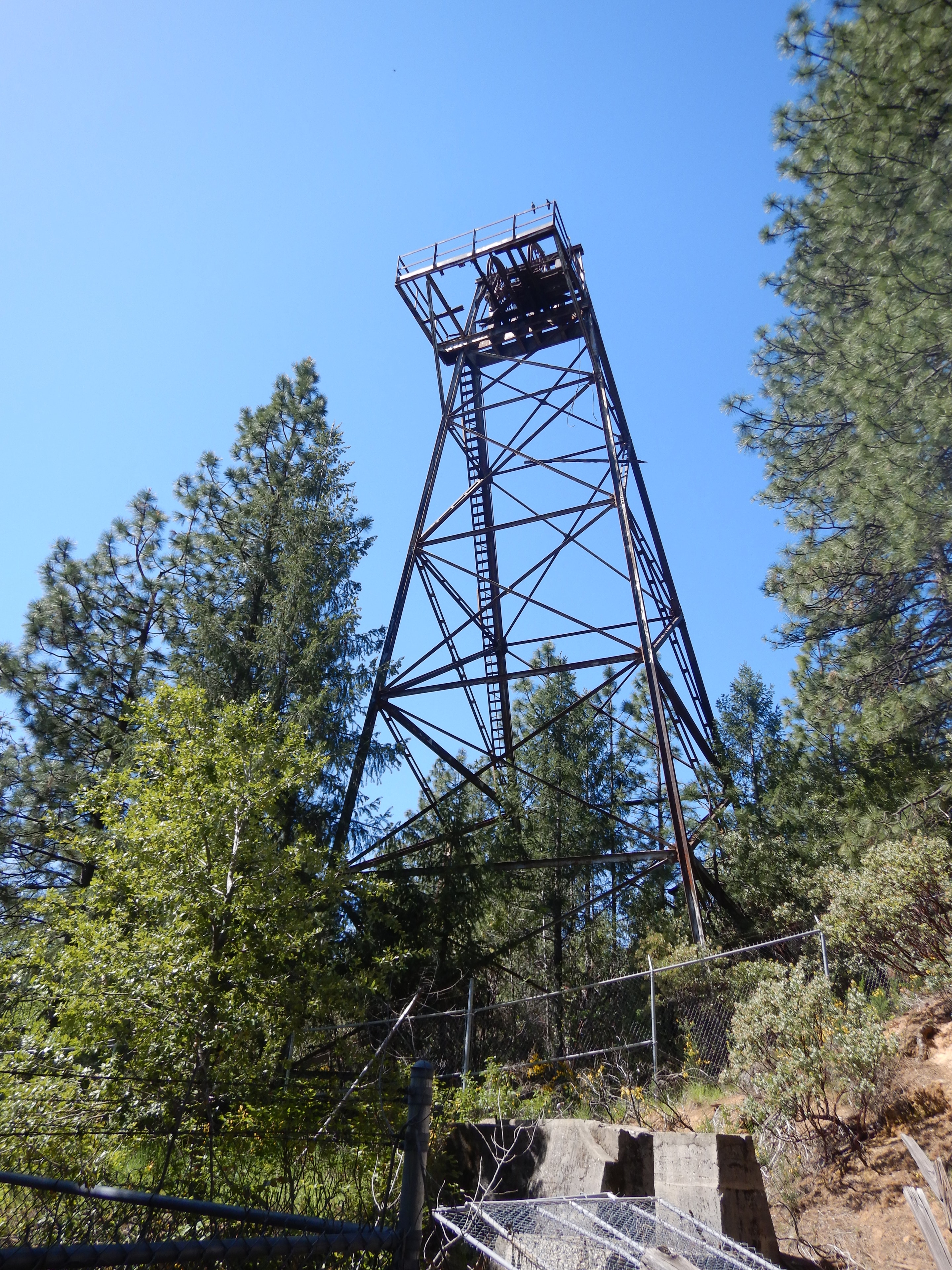
Nestled in the Sierra Nevada foothills near Nevada City, the Lava Cap Gold Mine was one of the most productive hard-rock gold mines in California during the 1930s and 1940s. At its peak, 300 miners worked around the clock — bussed in daily from Nevada City — extracting not only gold but extraordinary quantities of silver. For every ounce of gold the mountain gave up, it yielded 10 ounces of silver, making Lava Cap at its height the number one silver-producing hard-rock mine in America.
Named for the ancient volcanic lava cap that formed the geological conditions ideal for gold deposits, the mine operated through the Great Depression, providing steady employment when few other opportunities existed. Its story is inseparable from the broader narrative of California's Gold Country.
A Timeline
Chapters in Gold
First Discoveries
Gold was first discovered in the Nevada City foothills in the fall of 1849, when prospectors struck rich placer deposits along Deer Creek. Initially known as the Deer Creek Diggings, the area experienced a massive influx of prospectors during the California Gold Rush, which quickly established the mining camp that became Nevada City.
Lava Cap Mine Established
The Lava Cap Mine was originally established and began active mining operations in 1861, following the initial discovery of its quartz vein system around 1860. While it had an inactive period from 1918 to the early 1930s, the site was reorganized and incorporated as the Lava Cap Gold Mining Corporation in 1932–1933, transforming it into a major industrial hard-rock operation during the Great Depression.
Gold Revaluation Spurs Growth
President Roosevelt's Executive Order 6102 and the subsequent Gold Reserve Act raise the official price of gold from $20.67 to $35 per ounce. The dramatic increase makes previously marginal ore profitable and drives rapid expansion at Lava Cap.
Peak Production Years
The mine reaches its golden era with 300 miners working around the clock, seven days a week. Bussed in daily from Nevada City, the workforce kept the tunnels running 24 hours a day. Miners earned between $4 and $5 per day — steady wages that made Lava Cap a lifeline during the Depression years. Remarkably, for every ounce of gold extracted, the mine yielded 10 ounces of silver — earning Lava Cap the distinction of being the number one silver-producing hard-rock mine in America at its peak. The operation includes a full stamp mill, assay office, and worker housing on site.
European Flotation System Installed
A state-of-the-art flotation system — imported from Europe — is installed at the mine to dramatically improve gold recovery. The process works by separating gold from crushed ore as it floats to the surface, allowing the operation to pull an extraordinary 300 ounces of gold per ton of ore processed. It was a technological leap that set Lava Cap apart from virtually every other mine in the country.
Infrastructure at Its Height
The mine complex reaches its fullest extent — multiple shaft levels, a modern cyanide processing plant, a company store, and a community of families living on the property. Lava Cap becomes a self-contained world unto itself in the Sierra foothills.
Wartime Closure
War Production Board Order L-208 shuts down all non-essential gold mining in the United States. However, Lava Cap's exceptional production of tungsten — a critical war material — earned it a one-year exemption, allowing the mine to keep operating while others closed immediately. When the exemption expired, the tunnels finally went dark, many never to reopen.
Dormant Decades
Attempts to reopen the mine after the war prove economically challenging. The site passes through several owners as the structures slowly weather and the tunnels fall silent.
Historic Recognition
Growing interest in California's mining heritage brings renewed attention to the Nevada City foothills. Local historians and preservationists begin documenting the Lava Cap site, recognizing its exceptional integrity as one of the few largely intact hard-rock gold mining complexes remaining in the state.
A New Chapter Begins
A dedicated group of historians, preservationists, and community members unite to save the Lava Cap mine. The vision: transform this irreplaceable site into a living historical landmark for all Californians.
The tunnels remember what the surface forgets.
— Nevada County Historical Society
Why This Mine Matters
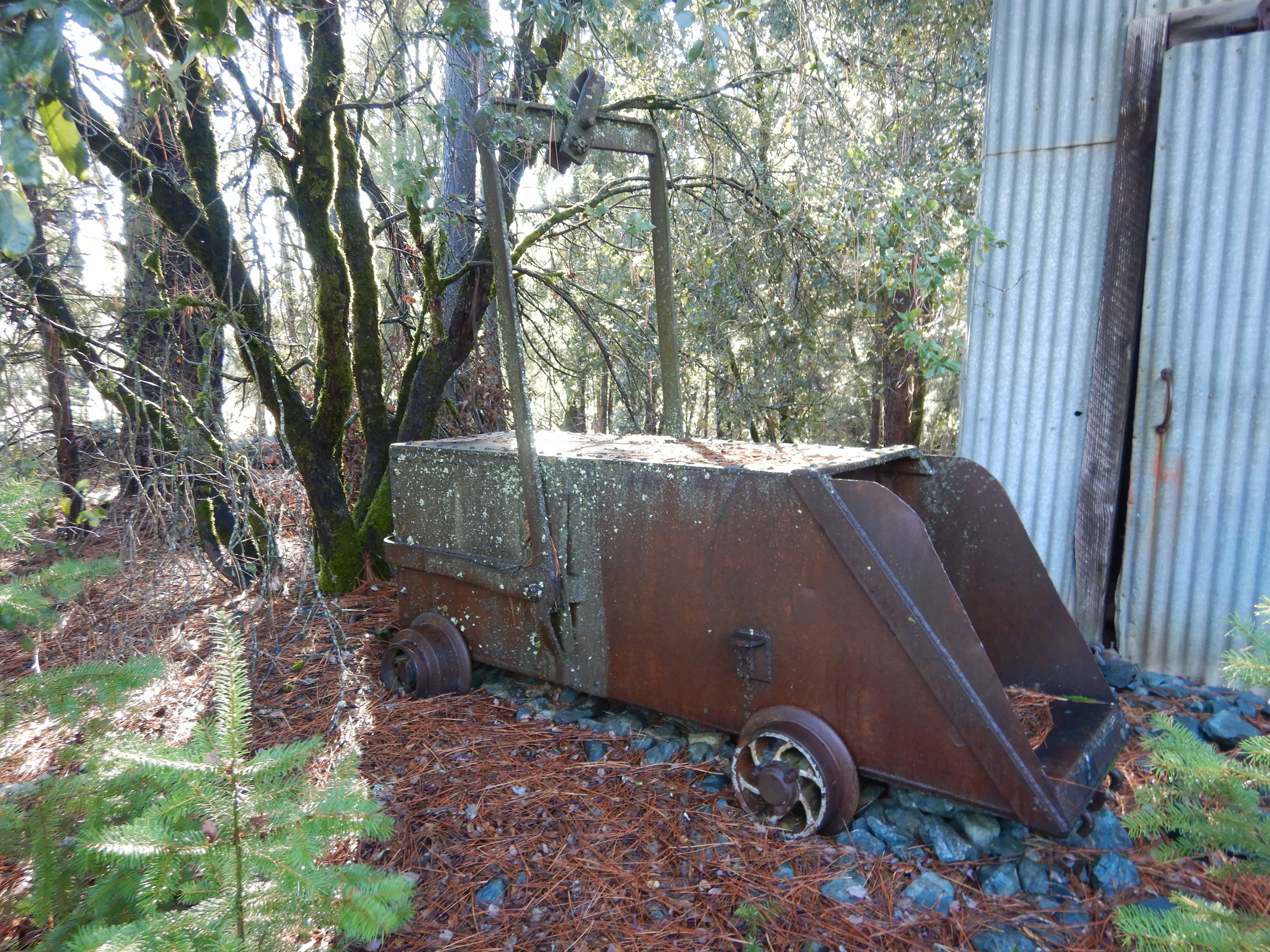
The Lava Cap Gold Mine is more than a collection of old tunnels and rusting machinery. It is a window into the lives of those who built California — immigrants, laborers, engineers, and dreamers who left their mark on this land.
300
Miners at peak
10:1
Silver to gold ratio
#1
Silver-producing mine in America
300 oz
Gold per ton of ore
24/7
Round-the-clock operation
16+ acres
Historic District site
Experience the History in Person
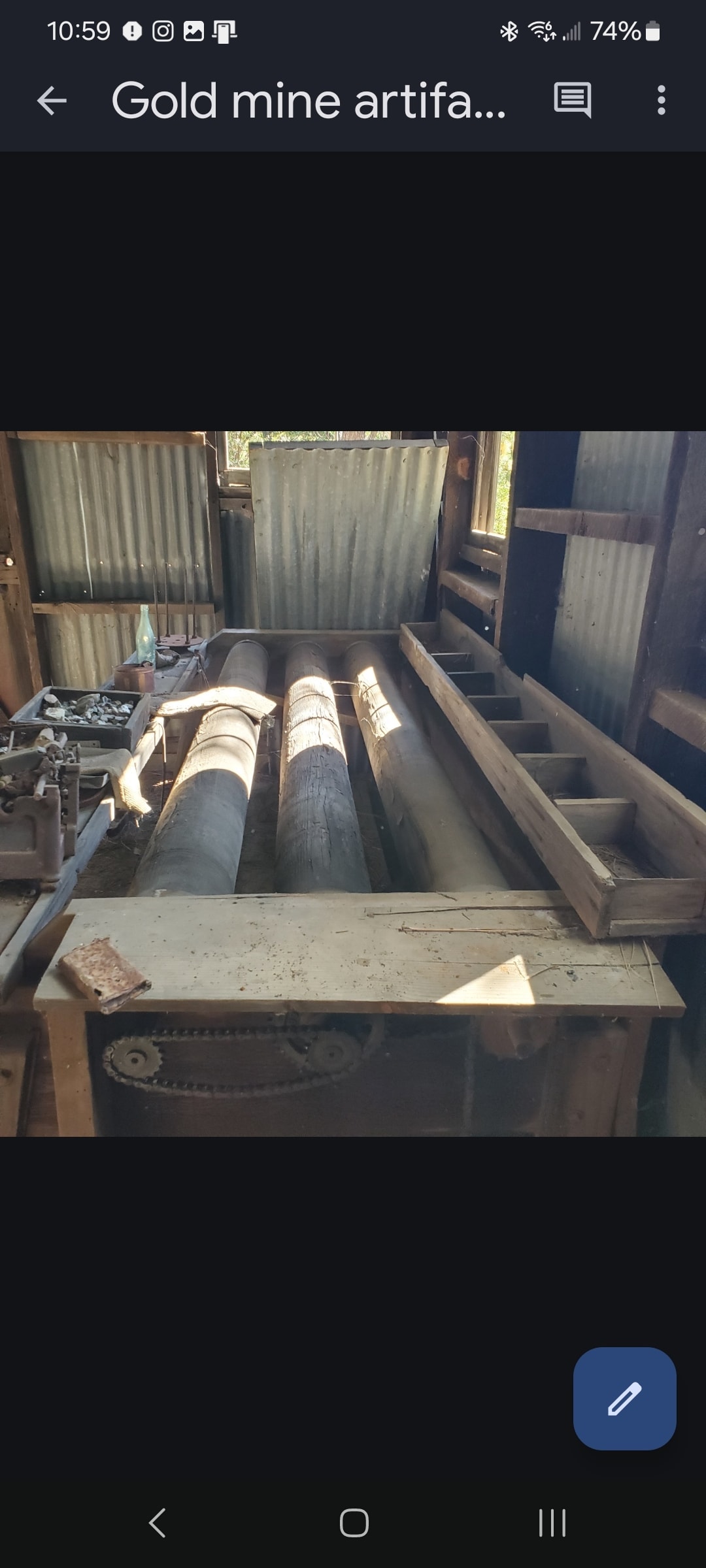
Walk the grounds, explore the structures, and hear the stories of the men and women who worked this mine. Guided tours available year-round.